
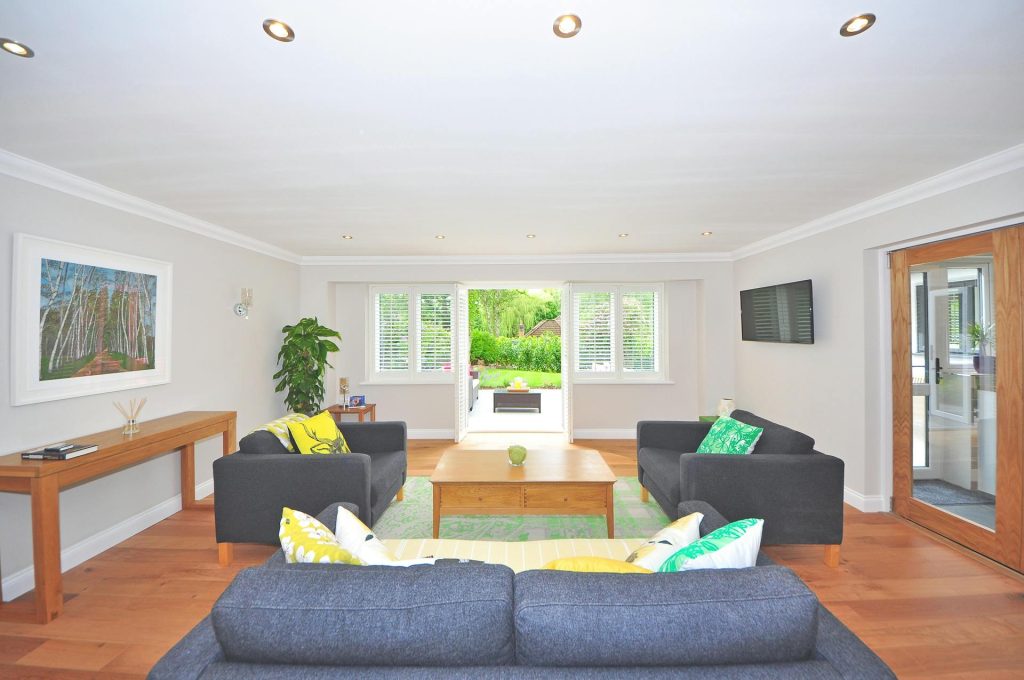
Most people assume keeping cool means sealing every window shut and letting the air con do its thing. Evaporative cooling works on the opposite principle — and once you understand why, it makes total sense. Fresh outside air gets drawn in, passed over water-saturated pads, and pushed through your home as a noticeably cooler breeze. Get it right and it’s an energy-efficient way to stay comfortable through a Melbourne summer. Get it wrong and you’re just running a glorified fan.
Key Takeaways
- Evaporative coolers work by passing air over water-soaked pads, which cools the air through evaporation. This method is most effective in dry climates.
- To use an evaporative cooler effectively with open windows, you need to allow for cross-ventilation. This means opening windows on the opposite side of the room or house from the cooler to let the humid, cooled air escape and draw in fresh air.
- Getting the window opening just right is important. Too far open, and you let in too much warm air. Not open enough, and the humidity can build up inside, making things feel muggy rather than cool.
What is Evaporative Cooling?
Evaporative cooling is a clever and natural way to beat the heat, especially if you live in a drier climate. Instead of using refrigerants like traditional air conditioners, it relies on the simple science of water evaporation. When water turns into vapour, it absorbs heat from the surrounding air, making it cooler. Think about how you feel cooler after getting out of a pool on a warm day – it’s the same principle at play.
This process is particularly effective in areas with low humidity. When the air is dry, water evaporates more readily, leading to a more significant cooling effect. An evaporative cooler, sometimes called a swamp cooler, works by drawing warm, dry outside air over water-soaked pads. As the water evaporates from these pads, it cools the air down. This cooler, moist air is then circulated into your home. It’s a more energy-efficient method compared to air conditioning, often using much less power. However, it’s important to understand that this method adds moisture to the air, which is why it’s not ideal for already humid environments. Dealing with common evaporative problems, like excessive humidity, is key to making this system work for you.
How Evaporative Coolers Work
The Role of Water and Airflow
Evaporative coolers, sometimes called swamp coolers, use a simple, natural process to chill the air: evaporation. Think about how you feel cooler after getting out of a pool, even before you dry off. That’s evaporation at work. These units draw in warm, dry outside air and pass it over water-soaked pads. As the water on these pads evaporates, it absorbs heat from the air. This process cools the air down significantly before it’s blown into your home.
The effectiveness of this cooling method is directly tied to the humidity level of your environment. In drier climates, more water can evaporate, leading to a greater temperature drop. Conversely, in areas with high humidity, less water evaporates, and the cooling effect is reduced.
Here’s a quick look at the core components:
- Water Reservoir: Holds the water that saturates the cooling pads.
- Pump: Circulates water from the reservoir to the top of the cooling pads.
- Cooling Pads: Special materials designed to absorb water and allow air to pass through.
- Fan: Draws warm air into the unit and blows the cooled air out.
Evaporative Cooling vs. Air Conditioning
It’s important to understand how evaporative cooling differs from traditional refrigerated air conditioning. While both aim to cool your home, their mechanisms and ideal operating conditions are quite distinct.
| Feature | Evaporative Cooler | Air Conditioner |
|---|---|---|
| Cooling Method | Water evaporation | Refrigerant compression and expansion |
| Humidity Impact | Adds moisture to the air | Removes moisture from the air |
| Energy Use | Generally lower | Generally higher |
| Airflow | Requires fresh air intake (open windows/vents) | Recirculates indoor air |
| Ideal Climate | Dry, low-humidity environments | Humid or dry environments |
| Maintenance | Regular pad cleaning/replacement, water supply | Filter cleaning/replacement, professional servicing |
Air conditioners work by using a refrigerant cycle to remove heat and moisture from the air, which is why they can make humid days feel more comfortable. Evaporative coolers, on the other hand, add moisture. This combination makes them fantastic for dry climates where the added humidity can also be beneficial, but they are not suited for already damp conditions. They also require a constant supply of fresh air to work efficiently, which is why open windows are key to their operation.
Why Use Evaporative Cooling with Open Windows?
Using an evaporative cooler with open windows might seem counterintuitive, especially if you’re accustomed to traditional air conditioning. However, this approach is key to how these units operate effectively and efficiently. Unlike air conditioners that seal a room to recirculate cooled air, evaporative coolers rely on a constant exchange of air to work their magic.
Maximising Airflow for Efficiency
Evaporative coolers function by drawing warm, dry air over water-soaked pads. As the water evaporates, it absorbs heat, cooling the air. For this process to be most effective, the cooler needs a continuous supply of fresh, warm air to draw in and a way for the now-cooled, but slightly more humid, air to exit. Leaving windows open provides this essential pathway. Without adequate airflow, the cooler struggles to push out the cooled air, leading to a less efficient cooling effect and potentially a build-up of moisture.
- Air Exchange is Vital: Think of it like breathing. Your body needs fresh air in and stale air out. An evaporative cooler works similarly. Open windows allow the cooler to expel the air it has already cooled and humidified, making room for more cool air to be generated.
- Reduced Humidity Build-up: While evaporative cooling adds a bit of humidity, open windows allow this excess moisture to escape. This prevents the air from becoming unpleasantly damp, which can happen if the cooler is run in a completely sealed room.
- Energy Savings: By facilitating natural air exchange, you’re helping the cooler operate at its peak without overworking. This translates to lower energy consumption compared to a unit struggling in a closed-off space.
Preventing Stale Air and Humidity Buildup
Running an evaporative cooler in a sealed room is a common mistake that significantly reduces its effectiveness and can lead to an uncomfortable environment. The goal is to create a gentle, continuous flow of fresh, cool air through your home, not to trap it in one spot.
When you open windows, you’re not just letting the cool air out; you’re actively helping the system by allowing warmer, more humid indoor air to escape. This constant circulation is what keeps the air feeling fresh and prevents that clammy, stagnant feeling that can occur with other cooling methods.
- Fresh Air In, Stale Air Out: This continuous exchange ensures that the air you’re breathing is always fresh, carrying away any lingering odours or pollutants.
- Humidity Control: Proper window placement and opening size are critical. Too little opening can lead to excessive humidity, while too much can let in too much warm air. Finding that balance is key to optimal comfort.
- Healthier Indoor Environment: By promoting ventilation, evaporative coolers with open windows can contribute to a healthier indoor atmosphere, reducing the concentration of airborne particles and improving overall air quality.
Setting Up Your Evaporative Cooler for Open Windows
Getting your evaporative cooler set up correctly with open windows is key to making it work its best. It’s not just about turning it on and hoping for the best; a little thought goes a long way.
Choosing the Right Window Placement
The placement of your open windows is more important than you might think. You want to create a pathway for the cool air to enter and the warm, humid air to exit. Think of it like directing traffic – you need an entry and an exit.
- Entry Point: Position your evaporative cooler so it blows cool air into the room or area you want to cool. This is usually done by placing the cooler near an open window or door or by using ductwork.
- Exit Point: You need to have windows or doors open on the opposite side of the house or room from where the cooler is blowing. This allows the warmer, stale air to escape. Without this exit, the cool air can’t circulate properly, and humidity will build up.
- Experimentation is Key: Don’t be afraid to try different window combinations. Sometimes opening one window a little wider is better than opening two windows just a crack. The goal is to find that sweet spot where you feel a good flow of air.
Optimising Fan Speed and Water Settings
Once your windows are in place, you’ll want to fine-tune the cooler’s settings.
- Fan Speed: Start with a medium to high fan speed. This helps push the cool air effectively through your home and encourages the stale air to exit. If the air feels too damp or the cooling isn’t quite right, you might need to adjust the fan speed or the window openings.
- Water Settings: Ensure the water pump is running and the pads are thoroughly wet. The evaporation process is what cools the air, so if the pads aren’t wet, it won’t work. Most coolers have a simple on/off switch for the pump.
The ideal setup allows for a gentle flow of air, where the tissue test shows it clinging lightly to the window screen. This indicates you’ve got the right balance of air entering and exiting.
Finding the perfect balance between open windows and cooler settings can take a bit of trial and error. Pay attention to how the air feels – it should be cool and fresh, not damp and heavy. Adjusting window openings by just a few centimetres can make a noticeable difference.
Tips for Effective Evaporative Cooling with Open Windows
To get the most out of your evaporative cooler when using it with open windows, a few adjustments can make a significant difference. It’s not just about opening a window; it’s about managing the airflow to maximise cooling and prevent unwanted humidity.
Proper window management is key to efficient evaporative cooling. You want to allow the cooler air to enter and the warmer, more humid indoor air to escape. Think of it as creating a gentle, continuous breeze through your home.
Here are some practical tips:
- Adjust window openings based on your cooler’s capacity. A general guideline is to have about 1 to 2 square feet of open window space for every 1,000 cubic feet per minute (cfm) of cooling your unit provides. If you have a larger unit, you’ll need more open space. Too little opening can lead to a damp feeling, while too much might let in more warm air than the cooler can handle.
- Experiment with window placement. Try opening windows on the opposite side of the room or house from where the cooler is located. This encourages a cross-breeze, pushing the cooler air through the space and expelling the warmer air.
- Consider using a vent-only mode. On milder days, you might not need the full cooling power. Many evaporative coolers have a ‘vent-only’ setting that acts like a powerful fan, circulating fresh air without adding moisture. This is great for when the outside air is already a bit cooler than inside but still needs moving.
- Regular maintenance is non-negotiable. Keep your cooler’s water tank clean and the pads free of debris. A well-maintained unit will always perform better and last longer.
- Use air filters if available. Some units can be fitted with filters that help reduce dust entering your home. This also prevents water droplets from being blown through the fan.
When using an evaporative cooler with open windows, the goal is to create a constant flow of fresh air. This process naturally exhausts stale indoor air and helps prevent excessive humidity build-up, which is crucial for comfort and preventing mould growth.
Don’t forget to monitor the humidity levels in your home. While evaporative coolers add some moisture, they work best in drier climates. If you notice the air feeling sticky or damp, it might be time to slightly reduce the window opening or check your cooler’s water settings.
When to Avoid Evaporative Cooling with Open Windows
While evaporative cooling with open windows is a fantastic method for many situations, it’s not a one-size-fits-all solution. You’ll want to steer clear of this setup under specific environmental conditions.
The primary factor to consider is humidity. Evaporative coolers work by adding moisture to the air. If you live in an area that already experiences high humidity, especially during the warmer months, using an evaporative cooler with open windows will likely make your home feel even more muggy and uncomfortable. This is because the cooler will be adding moisture to air that is already saturated, defeating the purpose of cooling and potentially leading to a sticky, unpleasant indoor environment.
Here are the key scenarios where you should reconsider this cooling approach:
- High Ambient Humidity: If the outdoor relative humidity consistently sits above 50%, you’re probably better off with a different cooling system. Trying to cool a humid environment with an evaporative cooler is like trying to dry clothes in a steamy bathroom – it just doesn’t work effectively.
- Poor Ventilation Outside: While we advocate for open windows, if the air outside is stagnant and humid, you’re not bringing in much benefit. The cooler needs drier air to evaporate water efficiently.
- Specific Health Conditions: For individuals with respiratory issues exacerbated by moisture, introducing more humidity into the home might not be advisable. Always consult with a medical professional if you have concerns.
It’s also worth noting that while we’re discussing open windows, there are specific considerations when avoiding this when installing a permanent system. For instance, if your home’s layout or local security concerns make leaving windows open impractical, alternative ventilation strategies might be necessary, but this is more about system design than immediate usage.
In essence, if the air outside feels damp and heavy, your evaporative cooler will struggle to provide effective relief and might even make things worse. It’s all about matching the technology to the climate.
Wrapping Up Your Evaporative Cooling Strategy
So, there you have it. Using your evaporative cooler with open windows isn’t complicated, but it does take a little thought. By making sure you’ve got the right amount of airflow, keeping an eye on humidity, and doing a bit of regular upkeep, you’ll get the best cooling performance. It’s all about finding that sweet spot where the cool air comes in and the warm, moist air goes out. Give these tips a try, and you should notice a real difference in how comfortable your home feels this summer. Happy cooling!