
Summer in Australia can be a real challenge. The sun beats down, fans just seem to move hot air around, and traditional air conditioners can cost a fortune to run. If you’re tired of feeling uncomfortable or dreading your electricity bill, there’s a smarter way to cool your home. This guide is all about evaporative cooling, exploring how it works, why it’s a great fit for our climate, and how you can make the most of it.
Key Takeaways
- Evaporative cooling uses the natural process of water evaporation to cool air, making it an energy-efficient alternative to traditional air conditioners.
- Australia’s typically hot and dry climate is ideal for evaporative cooling, allowing it to perform effectively and economically.
- Systems range from portable units for specific rooms to ducted systems for whole-home comfort, with popular brands like Bonaire, Breezair, and Brivis offering various options.
- Proper setup, including ensuring good airflow by keeping windows slightly open, and regular maintenance are vital for optimal performance and longevity of your evaporative cooler.
- While evaporative cooling excels in dry conditions and offers lower running costs and environmental benefits, it may struggle in very humid environments, where a backup system might be considered.
Understanding Evaporative Cooling
The Natural Cooling Process Explained
Have you ever noticed how a damp cloth feels cooler to the touch than a dry one? Or how you feel cooler when a breeze blows on a hot, sweaty day? That’s evaporative cooling in action. It’s nature’s own air conditioner. The basic idea is simple: when water turns into a gas (evaporates), it needs energy. It gets this energy by taking heat from the air around it. As the air loses heat, it cools down. This natural process is the foundation of how evaporative coolers work. It’s a gentle, effective way to lower temperatures without complex machinery.
How Evaporative Coolers Differ from Air Conditioners
It’s easy to confuse evaporative coolers with traditional air conditioners, but they operate on entirely different principles. Air conditioners use a refrigerant cycle – a process involving compressors and refrigerants – to remove heat and humidity from the air. This often uses a lot of electricity and can release greenhouse gases if refrigerants leak.
Evaporative coolers, on the other hand, use water. They draw warm, dry outside air through water-soaked pads. As the water evaporates from these pads, it absorbs heat from the air. The fan then pushes this cooler, slightly more humid air into your home. This means they generally use much less electricity and don’t rely on refrigerants.
Here’s a quick comparison:
| Feature | Evaporative Cooler | Air Conditioner |
|---|---|---|
| Cooling Method | Water evaporation | Refrigerant cycle |
| Energy Use | Low | High |
| Humidity | Adds some humidity | Removes humidity |
| Refrigerants | No | Yes |
| Fresh Air | Circulates fresh outside air | Recirculates indoor air |
Why Australia’s Climate is Ideal for Evaporative Cooling
Australia’s climate, particularly in many of our inland and southern regions, is remarkably well-suited for evaporative cooling. We often experience hot, dry summers with low humidity. This is precisely the kind of environment where evaporative cooling performs at its best.
- Low Humidity is Key: The drier the air, the more effectively water can evaporate into it, leading to greater temperature drops. In humid conditions, the air is already holding a lot of moisture, so less evaporation can occur, reducing the cooling effect.
- Abundant Sunshine: While not directly part of the cooling process, the sunny conditions that often accompany dry weather mean that the need for cooling is high when evaporative systems are most effective.
- Fresh Air Circulation: Many parts of Australia benefit from the constant influx of fresh air that evaporative coolers provide, helping to clear out the dry, warm air and replace it with cooler, more comfortable conditions.
While high humidity can reduce the efficiency of evaporative cooling, the typical conditions found across much of Australia during the warmer months make it a highly effective and energy-efficient choice for many households. It aligns well with our natural environment, offering a comfortable indoor climate without the high energy costs associated with other cooling methods.
Choosing the Right Evaporative Cooling System
Selecting the correct evaporative cooling system is key to ensuring you get the most comfort and efficiency for your home. It’s not a one-size-fits-all situation, and understanding the different types available will help you make a smart choice. We’ll look at portable units for flexibility and ducted systems for whole-home solutions, and touch on some popular brands you’ll find here in Australia.
Portable Evaporative Coolers for Flexibility
For those who need cooling in specific areas or want the freedom to move their cooler from room to room, portable evaporative coolers are a great option. These units are self-contained, meaning they have a built-in water reservoir and don’t require any permanent installation. They work by drawing in warm air, passing it over water-soaked pads, and then releasing cooler, moist air back into the room. They’re particularly effective in drier climates, which suits much of Australia.
When looking at portable models, consider:
- Cooling Capacity: Check the square meterage the unit is designed to cool. It’s better to have a unit slightly larger than your space than one that’s too small.
- Water Tank Size: A larger tank means you won’t have to refill it as often, offering longer periods of operation.
- Fan Speeds: Multiple speed settings allow you to adjust the airflow and cooling intensity to your preference and the ambient conditions.
- Portability Features: Look for wheels and handles that make it easy to move the unit around your home.
Ducted Systems for Whole-Home Comfort
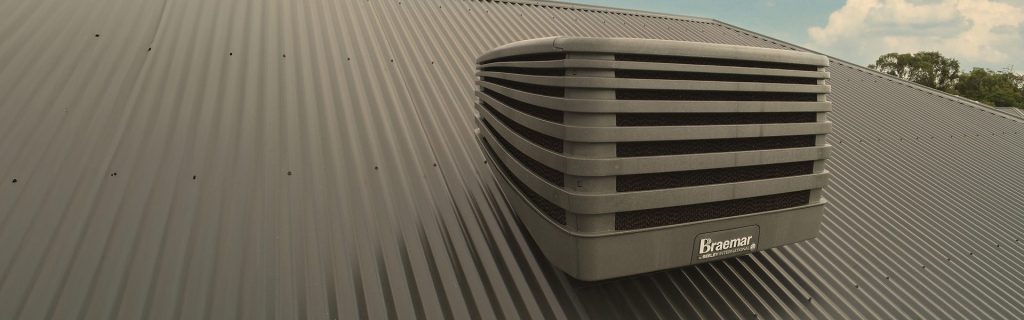
If you’re looking for consistent cooling throughout your entire house, a ducted evaporative cooling system is the way to go. These systems are installed on the roof and connected to a network of ducts that distribute cool air to various rooms via vents. They offer a more integrated and often more powerful cooling solution than portable units.
Key considerations for ducted systems include:
- System Size (Cooling Power): This is measured in cubic feet per minute (CFM) or similar metrics and needs to be matched to the total area of your home.
- Number of Zones: Some advanced systems allow you to control cooling in different zones of your house independently, saving energy when certain areas aren’t in use.
- Water Usage: While generally efficient, larger ducted systems will use more water than smaller portable units. Look for models with good water management features.
- Pad Material: The quality and thickness of the cooling pads significantly impact performance. Thicker, denser pads generally provide better cooling.
Key Brands: Bonaire, Breezair, and Brivis
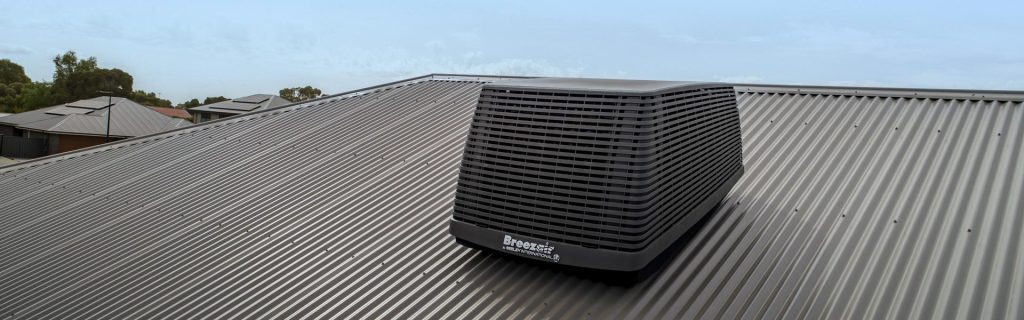
Australia has several reputable manufacturers specialising in evaporative cooling. Bonaire, Breezair, and Brivis are three of the most well-known and trusted brands, each offering a range of models designed for Australian conditions.
- Bonaire: Known for their durable and reliable units, Bonaire offers both ducted and portable options. They often focus on energy efficiency and ease of use.
- Breezair: Often considered a premium brand, Breezair systems are recognised for their advanced technology, sleek designs, and high performance, particularly in their ducted range.
- Brivis: Brivis provides a comprehensive range of evaporative cooling solutions, from compact portable units to powerful ducted systems, often highlighting their water-saving features and robust construction.
When comparing these brands, look at specific model features, warranty periods, and energy ratings to find the best fit for your home and budget. It’s always wise to get quotes from local installers who are familiar with these brands and can advise on the most suitable system for your specific property and climate.
Maximising Your Evaporative Cooling Experience
Getting the most out of your evaporative cooler is all about understanding how it works best and giving it the right conditions. It’s not just a matter of switching it on and forgetting about it; a little attention can make a big difference to your comfort and the efficiency of the system.
Essential Setup: Airflow and Water
Proper airflow is the backbone of effective evaporative cooling. These systems work by drawing warm, dry air in, passing it over water-soaked pads, and then expelling cooler, more humid air. To ensure this process happens efficiently, you need to allow for adequate air exchange. This means keeping doors and windows open on the side of the house where the cooler is operating, and ideally, opening windows or doors on the opposite side of the house to allow the cooled air to flow through and exit. This constant circulation prevents the air from becoming too humid and allows the cooler to work at its best.
Water is, of course, the cooling agent. Your cooler needs a consistent supply of clean water to keep the pads saturated. Check the water level regularly, especially on very hot days when evaporation is rapid. Most modern units have an automatic water fill, but it’s still wise to check that it’s functioning correctly. Stagnant water can lead to odours and reduced efficiency, so ensuring the water is fresh is key.
Boosting Performance with Ice Packs
For those days when the heat is really intense, you can give your evaporative cooler a little extra boost. Many portable evaporative coolers come with or have the option to use ice packs. These are typically compartments where you can place frozen packs, or sometimes you can add ice directly. As the air passes over these colder surfaces before hitting the water pads, it can achieve an even lower temperature. This is a simple yet effective way to get that extra chill when you need it most. While not a permanent solution for extreme heat, it’s a handy trick for those particularly scorching afternoons.
Optimising Your Cooler for Australian Conditions
Australia’s climate, particularly in many inland and western regions, is often characterised by low humidity and high temperatures – conditions where evaporative cooling truly shines. However, even in these ideal settings, a few adjustments can help.
- Ventilation is Key: As mentioned, open windows and doors are not a mistake with evaporative cooling; they are a requirement. Aim for cross-ventilation to allow the cool, moist air to move through your home.
- Pad Maintenance: The cooling pads are where the magic happens. Over time, they can accumulate dust and mineral deposits, reducing their ability to absorb water and cool the air. Regular cleaning or replacement, as outlined in the maintenance section, is vital.
- Water Quality: If you have particularly hard water, mineral buildup can be more significant. Some systems have filters, or you might consider using distilled water if your unit allows, though this is less common for whole-home systems.
- Sun Protection: For portable units, placing them in a shaded area can prevent the unit itself from overheating, allowing it to focus its energy on cooling the air.
Understanding the interplay between your evaporative cooler and the ambient conditions is paramount. By ensuring proper airflow, maintaining water quality, and adapting to the specific Australian climate, you can significantly improve the cooling performance and comfort provided by your system. It’s about working with the technology, not just relying on it.
| Factor | Impact on Performance |
|---|---|
| Low Humidity | Maximises cooling effect; ideal for evaporative cooling |
| High Humidity | Reduces cooling efficiency; air may feel muggy |
| Good Airflow | Allows for constant circulation of cool, fresh air |
| Dirty Pads | Impedes water absorption and cooling capacity |
| Stagnant Water | Can lead to odours and reduced cooling effectiveness |
Maintaining Your Evaporative Cooler
Keeping your evaporative cooler in good working order is key to enjoying cool air all summer long. Think of it like looking after your car; a bit of regular attention means it won’t let you down when you need it most. These systems are pretty straightforward, but a few simple maintenance tasks will make a big difference.
Regular Cleaning for Optimal Performance
Over time, dust, minerals from the water, and general grime can build up inside your cooler. This isn’t just unsightly; it can actually reduce how well your cooler works and even lead to unpleasant smells. Regular cleaning is the most important thing you can do for your unit.
Here’s a basic cleaning routine:
- Empty and Clean the Water Reservoir: At least once a month, drain the water tank completely. Give it a good scrub with a soft brush and some mild detergent to remove any sediment or algae. Rinse it thoroughly before refilling. This prevents water quality issues and keeps things fresh.
- Inspect and Clean the Cooling Pads: The pads are where the magic happens, but they can get clogged with dust and minerals. Check them regularly. If they look dirty, you can often rinse them with a hose. For stubborn buildup, you might need to remove them and give them a gentle scrub. If they’re falling apart or heavily degraded, it’s time for a replacement.
- Wipe Down the Exterior and Fan: A quick wipe-down of the unit’s housing keeps it looking good. Also, check the fan blades for dust buildup, as this can affect airflow.
Understanding Pad Replacement
Those cooling pads are the heart of your evaporative cooler. They’re designed to absorb water and allow air to pass through, facilitating evaporation. However, they don’t last forever. Depending on the quality of the pads and how often you use your cooler, you’ll likely need to replace them every few years.
- Lifespan: Expect to replace pads anywhere from every 3 to 7 years. Higher quality pads, like those made with advanced materials, tend to last longer.
- Signs of Wear: Look for pads that are starting to disintegrate, have significant mineral buildup that can’t be cleaned, or are showing signs of mould or mildew.
- Impact: Worn-out pads won’t absorb water effectively, leading to reduced cooling performance and potentially allowing more dust into your home.
Seasonal Care: Summer Readiness and Winter Storage
Preparing your cooler for the start of the cooling season and putting it away properly at the end are vital steps.
Summer Readiness (Before the first hot spell):
- Thorough Clean: Perform a deep clean of the reservoir and check the pads.
- Water System Check: Ensure the water pump is working and that water is distributing evenly across the pads. Check for any blockages in the distribution pipes or nozzles.
- Fan and Motor: Inspect the fan for any damage and check the fan belt for tension and wear. Lubricate any moving parts as recommended by the manufacturer.
- Electrical Check: Ensure all electrical connections are secure and free from corrosion.
Winter Storage (If you don’t use it in colder months):
- Drain Completely: It’s crucial to drain all water from the reservoir and any associated pipes to prevent freezing and damage.
- Clean and Dry: Give the unit a final clean and ensure it’s thoroughly dry.
- Protect: Cover the unit with a breathable cover or store it in a dry, protected location to keep dust and moisture out.
Proper maintenance not only keeps your evaporative cooler running efficiently but also helps to extend its overall lifespan. Addressing small issues promptly can prevent larger, more costly repairs down the track. Always disconnect power before performing any maintenance or cleaning tasks for your safety.
Evaporative Cooling vs. Other Systems
When you’re looking at keeping your home comfortable, especially during those hot Australian summers, you’ve got a few options. It’s not just about picking the cheapest one upfront; you really need to think about how it performs over time and what it means for your bills and the environment. Let’s break down how evaporative cooling stacks up against other common systems.
Cost-Effectiveness and Running Expenses
Evaporative coolers generally have a lower purchase price compared to refrigerated air conditioners. But the real savings often come in the running costs. Because they use a simple process of water evaporation powered by a fan and a small water pump, they consume significantly less electricity than the compressors and complex refrigeration cycles found in traditional air conditioners. This can lead to noticeable reductions in your energy bills, particularly during extended periods of hot weather.
The upfront investment for an evaporative system is typically less, and the ongoing running costs are considerably lower.
Here’s a general comparison:
| System Type | Typical Purchase Price | Estimated Running Cost (per hour) | Notes |
|---|---|---|---|
| Evaporative Cooler | Lower | Low | Uses water, best in dry climates, requires ventilation. |
| Refrigerated AC (Split) | Medium to High | Medium | Effective in all climates, can recirculate air, higher energy use. |
| Refrigerated AC (Ducted) | High | High | Whole-home cooling, highest energy consumption, requires ductwork. |
Environmental Benefits
If you’re conscious about your environmental footprint, evaporative cooling presents a compelling case. These systems work by harnessing the natural process of water evaporation, which doesn’t require harmful refrigerants like many air conditioners do. Refrigerants can contribute to greenhouse gas emissions if they leak. Furthermore, the lower electricity consumption of evaporative coolers means a reduced demand on power generation, which often relies on fossil fuels. They also continuously introduce fresh, filtered air into your home, rather than just recirculating indoor air.
- No harmful refrigerants: Eliminates the risk associated with refrigerant leaks.
- Lower energy consumption: Reduces greenhouse gas emissions associated with electricity generation.
- Fresh air circulation: Improves indoor air quality by bringing in outside air.
When Evaporative Cooling Might Struggle
While evaporative cooling is fantastic for much of Australia, it’s not a one-size-fits-all solution. Its effectiveness is directly tied to the humidity levels in the air. In very humid conditions, the natural process of evaporation slows down significantly, meaning the cooling effect is greatly reduced. If you live in a coastal area or a region that experiences consistently high humidity, a refrigerated air conditioning system might be a more suitable choice for consistent and powerful cooling.
It’s important to remember that evaporative coolers work best when there’s a pathway for air to move through your home. Leaving a window or door slightly open allows the warm, moist air to escape, making way for more cool, dry air to enter. This constant airflow is key to how the system efficiently cools your space.
Investing in Your Comfort: Installation and Lifespan
When you decide to invest in an evaporative cooling system, you’re looking at a decision that impacts your comfort for years to come. It’s not just about getting through the next hot spell; it’s about setting up a reliable and efficient way to keep your home pleasant. Let’s break down what installation and the expected lifespan mean for you.
Typical Installation Costs in Australia
The cost of installing an evaporative cooler can vary quite a bit. It depends on the type of system, the size of your home, and how complex the installation needs to be. For a basic portable unit, you’re mostly just paying for the unit itself, as they don’t require professional installation. However, for ducted systems, which are integrated into your home’s existing ductwork, you’ll need a qualified professional. This usually involves running new ducting, connecting the unit to your roof or wall, and setting up the water supply and drainage.
Here’s a general idea of what you might expect:
| System Type | Estimated Installation Cost (AUD) |
|---|---|
| Portable Evaporative Cooler | $200 – $800 (unit cost) |
| Wall/Window Mounted | $500 – $1,500 (unit + install) |
| Ducted System | $2,500 – $7,000+ (unit + install) |
These figures are estimates and can change based on your specific circumstances and the installer you choose.
Expected Lifespan of Evaporative Systems
Evaporative coolers are generally built to last. With good maintenance, you can expect a well-cared-for unit to serve you for a good while. The main components that might need attention over time are the water pads and the fan motor.
- Water Pads: These typically need replacing every 2-5 years, depending on water quality and how often the unit is used.
- Fan Motor & Pump: These are usually quite robust. A lifespan of 10-15 years is common for these parts if the system is kept clean and serviced.
- Casing & Structure: The main body of the cooler is designed for durability, often made from UV-resistant plastics or treated metals, so it should last as long as the mechanical parts.
Regular maintenance is the single biggest factor in extending the life of your evaporative cooler. Neglecting it can lead to premature wear and tear, costing you more in the long run.
Professional Installation and Servicing
While portable units are plug-and-play, ducted evaporative cooling systems really do benefit from professional installation. A qualified technician will ensure the system is correctly sized for your home, properly sealed into your ductwork, and that the water and electrical connections are safe and efficient. This initial setup is vital for optimal performance and to avoid issues down the track.
Beyond installation, regular servicing is key. We recommend having your ducted system checked annually, ideally before the start of the cooling season. This service typically includes:
- Checking and cleaning the water distribution system.
- Inspecting and cleaning or replacing the water pads.
- Lubricating moving parts.
- Testing the fan motor and pump.
- Checking electrical connections.
- Ensuring the overall system is running efficiently.
Think of it like a service for your car; it keeps everything running smoothly and helps catch small, common problems in your cooling system before they become big, expensive ones. It also helps maintain the warranty on your system.
Your Cool Summer Awaits
So, there you have it. Evaporative cooling offers a really practical way to stay comfortable during Australia’s hot spells, without making your electricity bill skyrocket. Whether you’re looking at a portable unit for a small space or a whole-home system, understanding how they work and how to look after them is key. Remember, they work best in our drier conditions, and a little bit of maintenance goes a long way. By choosing the right system for your needs and keeping it in good shape, you can enjoy a much cooler and more pleasant summer. If you’re still unsure or need a hand getting set up, don’t hesitate to reach out for expert advice.
Frequently Asked Questions
How does evaporative cooling actually work?
Evaporative cooling mimics nature’s own air conditioning! It works by drawing warm, dry air through water-soaked pads. As the water evaporates, it cools the air down. This cooler, slightly more humid air is then blown into your home, giving you a refreshing breeze.
Is evaporative cooling suitable for all Australian climates?
Evaporative cooling works best in Australia’s hot and dry inland and summer conditions. In areas with very high humidity, like along the coast during certain times, its cooling effect might be less noticeable. However, for most of the country during summer, it’s a fantastic option.
How is evaporative cooling different from a refrigerated air conditioner?
The main difference is how they cool. Air conditioners use refrigerants to chill the air, which uses more electricity and can make the air very dry. Evaporative coolers use water evaporation, which is more energy-efficient and adds a bit of moisture to the air, making it feel more natural and comfortable in dry heat.
Do I need to keep windows open when using an evaporative cooler?
Yes, you absolutely do! Unlike air conditioners, evaporative coolers need fresh air to work effectively. Keeping a window or door slightly open allows the warm, stale air to escape, ensuring a constant flow of cool, fresh air into your home.
How often do I need to maintain my evaporative cooler?
Regular checks are important. You’ll need to top up the water tank regularly. It’s also a good idea to clean the tank and pads every few weeks, especially in dusty areas. For best performance and longevity, an annual service is recommended, and the pads will likely need replacing every 3 to 7 years, depending on the quality.
Are evaporative coolers expensive to run?
Not at all! Evaporative coolers are significantly more energy-efficient than refrigerated air conditioners. They mainly use a fan and a small water pump, meaning your electricity bills will be much lower. They do use some water, but the overall running costs are very budget-friendly.