
The Biggest Mistakes Homeowners Make After Installing a Split System
The unit goes in, the installer packs up, and most homeowners assume the hard part is done. It isn’t. A split system air conditioning installation is straightforward enough, but what happens in the weeks and months after is where things start to go quietly wrong — usually without any obvious sign until the system is either underperforming or the repair bill arrives.
Ignoring the Filter Until Something Feels Off
Filters on a split system need cleaning every four to six weeks during heavy use. That’s not a suggestion — a blocked filter forces the unit to work harder than it’s designed to, which shortens the compressor’s life and pushes running costs up noticeably. Some homeowners go six months or more without touching the filter and then wonder why the unit isn’t cooling the room properly. By the time the airflow is noticeably weak, the filter has been restricting performance for a long time already.
Three minutes. Slide it out, rinse it, let it dry. Most people manage it once and then forget about it until something already feels wrong.
Running It at Temperatures That Don’t Make Sense
16°C on a 38-degree day doesn’t speed anything up. The system works at the same rate regardless — it just runs longer trying to hit a temperature the room probably can’t hold, especially if insulation is ordinary. Running costs climb, the compressor takes a beating, and the room gets to roughly the same temperature it would have at 24°C anyway.
The other version of this is leaving the unit flat out in an empty house. A few degrees warmer while you’re out costs almost nothing to correct when you get home, and it adds years to how long the unit runs reliably.
Not Getting It Serviced in the First Year
A professional service isn’t just about cleaning. A technician checking the system twelve months after installation will pick up refrigerant levels, check the electrical connections haven’t loosened, look at the coils, and confirm everything is still running within spec. Problems caught at that stage are cheap to fix. Left for three or four years, the same issues compound.
This one surprises people. The unit is new, it seems fine, so why spend money on a service? Because “seems fine” and “is fine” are not the same thing with air conditioning.
Closing Too Many Vents or Doors
Split systems are sized for a space, and sealing off rooms mid-use throws that off. The air has nowhere to go, pressure builds unevenly, and the unit ends up short-cycling — switching on and off more than it should rather than holding a steady temperature. The room you’re actually sitting in usually ends up less comfortable, not more.
Zoning properly, with the right setup from the start, is a different thing entirely. Improvising with closed doors isn’t zoning.
Positioning Furniture in Front of the Indoor Unit
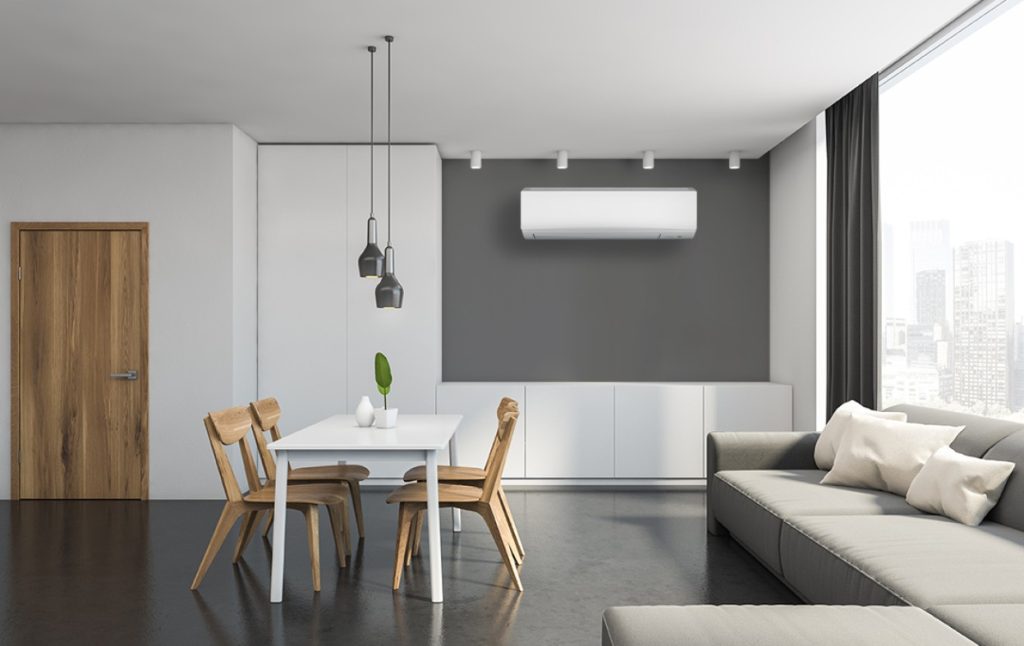
A tall bookshelf directly below or in front of the indoor unit blocks the air before it gets anywhere near the rest of the room. The unit keeps running, the space around the furniture goes cold or warm, and the far end of the room barely shifts. People rearrange after installation without thinking about this, then spend summer convinced the system is underpowered.
It usually isn’t.
Assuming the Outdoor Unit Can Go Anywhere
Condenser placement gets treated as whatever’s convenient, and it causes problems later. Afternoon sun baking the unit directly, shrubs that have grown in around it over two summers, a gap that’s technically accessible but not by anyone with a toolbox — all of it adds up. A technician who has to contort themselves to reach the unit for a basic service is going to flag that. And a condenser working harder than it needs to because it can’t shed heat properly shows up in running costs and lifespan, not in any obvious immediate way.