
Thinking about upgrading your air conditioner in Victoria? You might have heard about the Victorian Aircon Rebate program. It’s a government initiative designed to help you save money while making your home more energy-efficient. This article will walk you through what the Victorian air conditioning rebate is all about, who can get it, and how much you can actually save. We’ll cover the steps to apply and give you some tips on choosing the best system for your needs.
Key Takeaways
- The Victorian Aircon Rebate, part of the Victorian Energy Upgrades (VEU) program, offers upfront discounts on high-efficiency reverse-cycle air conditioners.
- Eligibility is broad, covering homeowners, renters (with consent), landlords, and businesses in Victoria, with criteria focusing on property age and the type of system being replaced.
- Savings can be significant, especially when replacing old gas heaters, with amounts varying based on the system’s efficiency and market prices for energy efficiency certificates.
Understanding the Victorian Aircon Rebate Program
What is the Victorian Aircon Rebate?
The Victorian Aircon Rebate program, operating under the Victorian Energy Upgrades (VEU) framework, is designed to help households and businesses transition to more energy-efficient heating and cooling solutions. It’s not a cash refund you receive later; instead, it works as an upfront discount applied at the point of sale. Accredited providers, like us, generate energy efficiency certificates for eligible installations. These certificates are then traded, and the value is passed on to you as an immediate reduction in the cost of your new air conditioning system. This initiative is a key part of Victoria’s commitment to reducing carbon emissions and making energy-efficient upgrades more accessible. The program prioritises the replacement of older, less efficient systems, particularly gas heaters, with modern, high-performance reverse-cycle air conditioners that are well-suited to our climate.
Who is Eligible for the Rebate?
Eligibility for the Victorian air conditioning rebate is quite broad, focusing more on the property and the type of system being replaced rather than strict income thresholds. Generally, you’ll qualify if you meet the following criteria:
- Victorian Residency: You must be a resident of Victoria. This includes homeowners, renters (with landlord consent), and landlords themselves.
- Property Age: The property where the upgrade is taking place needs to be at least two years old.
- Existing System: The rebate is primarily for replacing existing heating systems. This typically means removing old gas ducted heaters, electric resistance heaters, or in some cases, upgrading from no existing system to a new one. The old unit must be properly decommissioned.
- Approved Products: The new air conditioning system must be on the VEU Product Register and meet specific energy efficiency standards. Importantly, all qualifying installations now require a minimum five-year warranty.
- Accredited Installers: The installation must be carried out by a provider accredited under the VEU program. This ensures the work meets quality and safety standards.
It’s worth noting that there are minimum co-payments required, meaning that while the rebate significantly reduces the cost, the system won’t be entirely free. For smaller split systems (under 10kW), this is typically $200, and for larger ducted or multi-head systems, it’s around $1,000.
How Much Can You Actually Save?
It’s natural to wonder about the real financial benefit of the Victorian Aircon Rebate. While the exact amount can shift based on your specific circumstances, we can give you a clear picture of the potential savings.
Rebate Amounts for Different Aircon Types
The rebate isn’t a one-size-fits-all figure. It’s designed to encourage upgrades from less efficient systems to modern, energy-saving reverse-cycle air conditioners. The amount you can save upfront often depends on what you’re replacing.
Here’s a general idea:
- Upgrading from Gas Ducted Systems: You could see significant upfront savings, potentially in the range of $2,740 or even more. This is because these systems are often replaced by more efficient electric reverse-cycle units.
- Upgrading from Non-Ducted Systems: If you’re moving away from older non-ducted units (like evaporative coolers or older split systems), the rebate might range from approximately $1,490 to $1,790.
It’s important to note that these are estimates, and the final rebate amount will be confirmed based on the specific system installed and the Victorian Energy Upgrades (VEU) program guidelines at the time of application.
Factors Influencing Your Savings
Beyond the type of system you’re upgrading from, several other elements play a role in how much you ultimately save:
- Energy Efficiency Rating (EER) of the New Unit: Higher EER ratings mean the air conditioner uses less energy to produce the same amount of cooling or heating. The rebate program often prioritises systems with better efficiency.
- Size and Capacity of the Unit: Larger homes or areas requiring more powerful units might have different rebate structures or associated costs.
- Accredited Installer: Using a VEU-accredited installer is mandatory. They handle the paperwork and ensure the rebate is applied correctly, often as an upfront discount.
- Your Usage Habits: While the rebate itself is a one-time benefit, your ongoing savings on energy bills will depend on how often and how intensely you use your new air conditioner.
The total benefit isn’t just the upfront rebate. When you combine the installation discount with the lower energy consumption of a new, efficient system, the savings over a few years can add up to thousands of dollars. This makes the switch a financially smart move in the long run.
To get a precise figure for your situation, it’s best to consult with an accredited installer who can assess your current system and recommend suitable, rebate-eligible replacements.
The Process: Applying for the Rebate
Getting your Victorian aircon rebate sorted doesn’t need to be a headache. We’ve broken down the application process into a simple, step-by-step guide to make things as clear as possible.
Step-by-Step Application Guide
- Consultation and Eligibility Check: The first step is to get in touch with an accredited provider. They’ll assess your home, discuss your cooling and heating needs, and confirm your eligibility for the rebate. This usually involves checking if your property has had a previous heating or cooling upgrade claimed under the program.
- System Selection and Quote: Based on your home’s requirements and the available rebate, your provider will recommend suitable high-efficiency air conditioning systems. You’ll receive a detailed quote that reflects the upfront discount from the rebate.
- Paperwork and Authorisation: You’ll need to sign a form authorising the accredited provider to claim the Victorian Energy Efficiency Certificates (VEECs) on your behalf. This is what allows them to apply the discount directly to your invoice. Pre-installation photos of your old system might also be taken at this stage.
- Professional Installation: A licensed professional will install your new, energy-efficient air conditioner. If you’re replacing an old gas heater, it will need to be decommissioned as part of the process to qualify for certain rebate tiers.
- Finalisation and Payment: Once the installation is complete, you’ll pay the remaining balance on your invoice, which is the cost after the rebate has been applied, plus any mandatory co-payment. Your accredited provider handles all the backend work with the VEECs.
Required Documentation and Information
While the accredited provider handles most of the heavy lifting, you’ll typically need to provide:
- Proof of Identity: To confirm you are the homeowner or authorised signatory.
- Property Details: Your address and potentially details about the existing heating/cooling system.
- Consent Forms: Authorising the provider to act on your behalf for the rebate claim.
- Owner’s Permission (if renting): If you are a renter, written consent from your landlord is required.
It’s important to work with a provider who is accredited under the Victorian Energy Upgrades (VEU) program. They are the only ones authorised to create the certificates that fund the rebate discount. Using an unaccredited installer means you won’t get the upfront saving and could even invalidate your system’s warranty.
Remember, the goal is to make this process as straightforward as possible for you. A good accredited provider will guide you through each step, making sure you understand what’s happening and that you’re getting the maximum benefit available.
Maximizing Your Savings: Choosing the Right Aircon
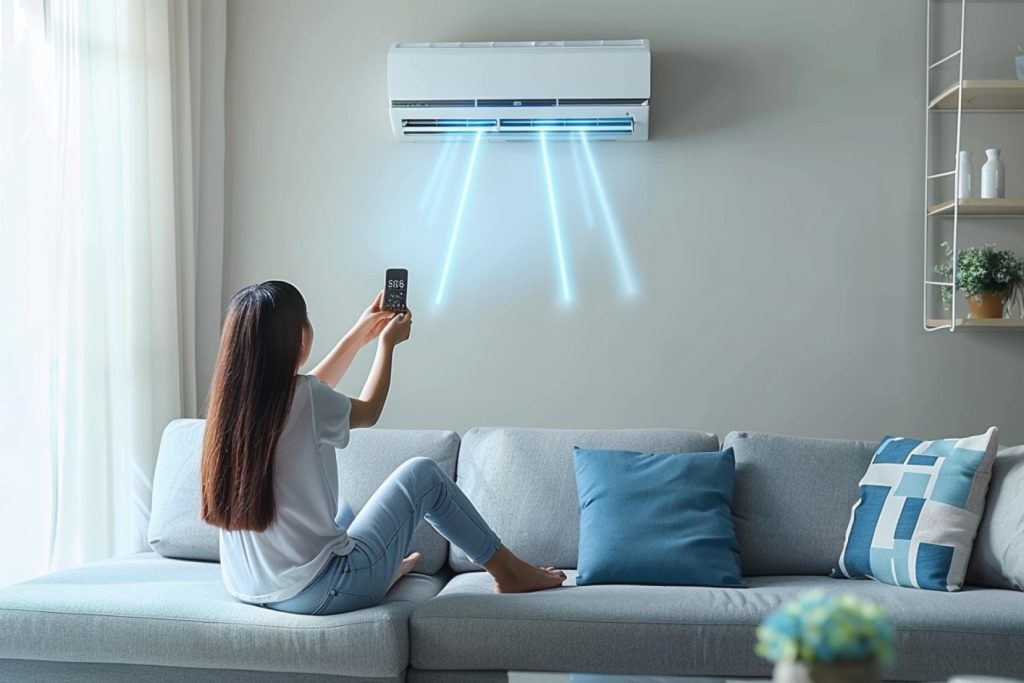
When you’re looking to make the most of the Victorian Aircon Rebate, the type of air conditioning system you choose plays a big part. It’s not just about getting a discount today; it’s about setting yourself up for lower energy bills and better comfort for years to come. Think of it as a smart investment in your home’s efficiency.
Energy Efficiency Ratings and Their Impact
One of the most important things to look at is the energy efficiency rating of a new air conditioner. These ratings, often shown as stars or a numerical score, tell you how much energy the unit uses to produce a certain amount of cooling or heating. A higher rating means the system is more efficient, using less electricity to do the same job.
- Higher efficiency ratings mean lower running costs. This is where your long-term savings really add up.
- Look for systems with good Seasonal Energy Efficiency Ratio (SEER) and Energy Efficiency Ratio (EER) ratings for cooling, and Coefficient of Performance (COP) for heating.
- The rebate itself can be influenced by the efficiency of the unit you select; more efficient systems often qualify for higher rebates.
Here’s a general idea of how efficiency can impact your choice:
| System Type | Typical Efficiency Range | Rebate Potential | Long-Term Savings |
|---|---|---|---|
| Standard Split System | Moderate | Medium | Good |
| High-Efficiency Split System | High | High | Excellent |
| Multi-Split System | High | High | Excellent |
| Ducted System (High Efficiency) | Very High | Very High | Excellent |
Choosing a system with a better energy rating might mean a slightly higher upfront cost, but the savings on your electricity bills over the life of the unit will almost always outweigh this difference. It’s a classic case of spending a little more now to save a lot later.
When selecting a new air conditioner, always ask about its energy efficiency ratings. This information is usually found on the unit’s label or in the product specifications. Don’t hesitate to ask your installer to explain what these numbers mean for your specific needs and home.
Consider these points when making your decision:
- Your Home’s Size and Layout: A larger home or one with multiple zones will require a more powerful system, and efficiency becomes even more critical.
- Climate Zone: While Victoria has a varied climate, choosing a unit designed for efficiency in both hot and cool conditions is wise.
- Your Usage Habits: If you use your air conditioner frequently, the energy savings from a more efficient model will be more pronounced.
- Gas vs. Electric: If you’re replacing an old gas heater, switching to an electric reverse-cycle system can offer significant rebate opportunities and long-term cost benefits due to government incentives aimed at reducing carbon emissions.
Frequently Asked Questions About the Rebate
It’s completely understandable to have a few questions when looking into upgrading your home’s air conditioning, especially with a rebate program involved. Let’s clear up some of the common queries we hear.
Can I get the rebate if I’m renting my home?
Yes, you can, but you’ll need written permission from your property owner. If you’re a landlord, you might be eligible yourself when you’re looking to upgrade units in your rental properties.
What’s the typical timeframe for the whole process?
Generally, from when you submit your application to having the new system installed, you’re looking at about one to three weeks. This can vary a bit depending on how busy installers are and when they can schedule your job.
Are there any specific types of air conditioners that qualify?
Absolutely. The rebate prioritises systems that are good for the environment and your energy bills. This usually means high-efficiency reverse-cycle air conditioners, especially those replacing older, less efficient gas heaters. The focus is on heat pumps that perform well in Victoria’s climate. You’ll want to look for good energy efficiency ratings.
What if I’m replacing an old gas heater?
This is where some of the biggest savings can be found. The program really encourages switching from gas ducted heating to a reverse-cycle system. By removing an old gas unit and installing a new, efficient electric one, you can often see significant discounts, sometimes well over $5,000 or even $7,000, depending on the system’s efficiency.
What are some common mistakes people make when applying?
One of the biggest pitfalls is using an installer who isn’t accredited by the VEU program. Only these accredited providers can generate the certificates that fund the discount. If you use someone who isn’t accredited, you’ll likely end up paying the full price. Another thing to watch out for is not properly decommissioning your old unit if it’s a replacement – it needs to be made inoperable to qualify for certain rebate tiers. Also, be wary of offers that sound too good to be true; the law requires a minimum co-payment, so a ‘100% free’ offer might not be compliant.
How much do I have to pay upfront?
While the rebate significantly reduces the cost, you will need to pay a mandatory co-payment. For smaller split systems (under 10kW), this is typically around $200. For larger ducted or multi-head systems, it’s usually around $1,000. This helps ensure the program’s compliance and quality standards.
Making the Switch: Your Next Steps
So, you’ve seen how the Victorian Aircon Rebate can really make a difference to your home’s comfort and your wallet. It’s not just about saving money upfront, though that’s a big plus. Switching to a more efficient system means lower energy bills all year round, which is something we can all get behind. Remember, the program is set up to help Victorians make these upgrades, and working with an accredited provider makes the whole process pretty straightforward. Don’t miss out on this chance to get a better air conditioner and save money while you’re at it. Have a look into it and see what you could be saving.