
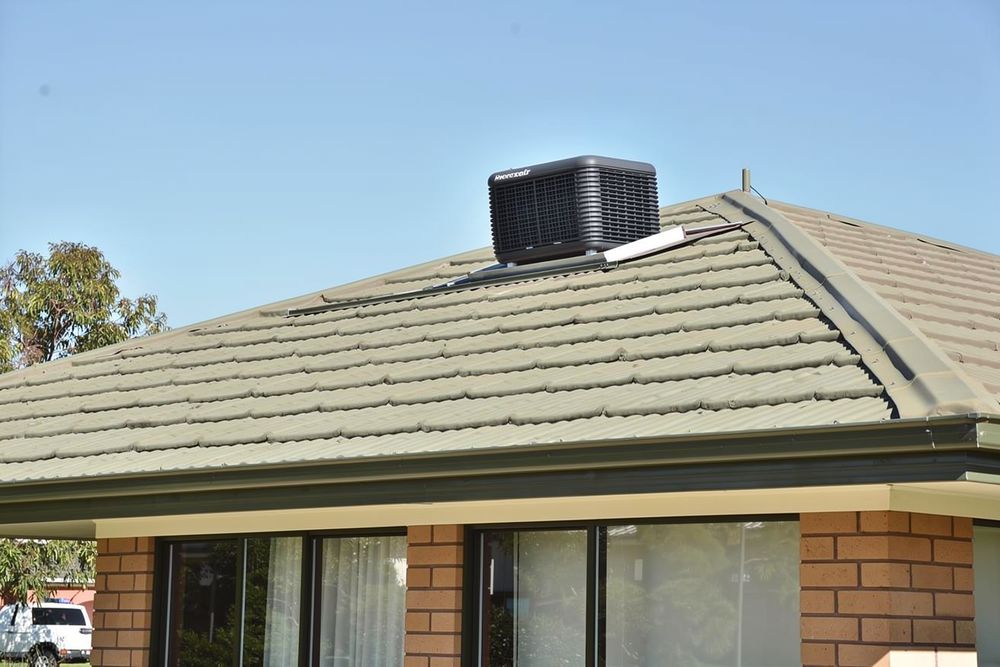
The Australian summer can really crank up the heat, and you might be looking for ways to keep your place cool. Evaporative cooling is a popular option, especially in drier parts of the country. But how does it really stack up, and what’s the deal with humidity? Let’s break down how these coolers work and when you can expect them to do their best job, so you can make an informed choice for your comfort.
Key Takeaways
- Evaporative coolers work by passing hot air over water-soaked pads. As the water evaporates, it takes heat from the air, making it cooler. This process naturally adds moisture to the air.
- The effectiveness of evaporative cooling is heavily dependent on the outside humidity. It works best in dry conditions where the air can absorb more moisture.
- When relative humidity is below 40%, evaporative coolers are highly efficient. Their performance drops significantly as humidity rises, becoming less effective above 50-60% and potentially making the air feel muggy.
- Unlike air conditioners that cool and dehumidify, evaporative coolers cool but increase indoor humidity. This makes them less suitable for already humid climates or on very damp days.
- For optimal performance, evaporative coolers need fresh air circulation, often meaning windows should be slightly open. Regular maintenance of the pads is also important to prevent mould and mineral buildup.
Understanding Evaporative Cooling
How Evaporative Coolers Work
Evaporative cooling is a clever process that uses water to cool the air. Think about how you feel cooler after stepping out of a shower, even before you dry off – that’s evaporation at work. An evaporative cooler mimics this natural phenomenon. It draws in warm, dry air from outside and passes it through water-soaked pads. As the water on these pads evaporates, it absorbs heat from the air. This process cools the air down significantly. The now-cooler, slightly more humid air is then circulated into your home.
The Science Behind Evaporation
The core principle is simple physics: when water changes from a liquid to a gas (evaporates), it needs energy. This energy is drawn from the surrounding air in the form of heat. So, as water evaporates from the cooling pads, it takes heat away from the air passing through them, making that air cooler. The more effectively the water can evaporate, the more heat is removed, and the cooler the air becomes. This is why evaporative cooling works best when the air is dry to begin with – there’s more capacity for the air to absorb moisture. For optimal performance, it’s important to select a unit with appropriate cooling capacities for your space; you can often find guidance on this to ensure you see recommended cooling capacities for your needs.
The Role of Humidity in Evaporative Cooling
What is Relative Humidity?
Relative humidity tells you how much moisture is in the air compared to the maximum amount it can hold at a specific temperature. Think of it like a sponge; a dry sponge can absorb a lot of water, while a wet sponge can’t hold much more. Air works similarly. When the relative humidity is low, the air is dry and can readily absorb more moisture. When it’s high, the air is already holding a lot of water, so it has less capacity to take on more.
How Humidity Affects Cooling Efficiency
Evaporative coolers work by passing warm, dry air over water-soaked pads. As the water evaporates, it absorbs heat from the air, making the air cooler. This process naturally adds moisture to the air. The effectiveness of this cooling method is directly tied to the existing humidity levels.
Here’s a breakdown of how humidity impacts performance:
- Low Humidity (Below 30%): This is the sweet spot for evaporative coolers. The air is very dry and can absorb a significant amount of moisture, leading to substantial temperature drops. You’ll get the most cooling power in these conditions.
- Moderate Humidity (30% – 50%): Evaporative coolers will still work, but their efficiency starts to decrease. You’ll notice a cooling effect, but it won’t be as dramatic as in dry conditions. The air will also become more humid as a result.
- High Humidity (Above 50%): In these conditions, evaporative coolers become much less effective. The air is already saturated with moisture, so it can’t absorb much more water from the cooler pads. Instead of significant cooling, you might just end up increasing the indoor humidity, making the air feel muggy and uncomfortable. This is why they’re sometimes nicknamed ‘swamp coolers’ – they can make your home feel like a swamp.
When humidity levels are high, the air’s ability to accept more moisture is limited. This means the evaporation process slows down, and less heat is removed from the air. Consequently, the cooling effect is diminished, and the system may even contribute to a feeling of dampness indoors, which is the opposite of what you want for comfort.
In essence, while evaporative cooling is a fantastic, energy-efficient option for many climates, its performance is significantly hampered when the air is already holding a lot of moisture. Understanding your local humidity levels is key to knowing when this system will work best for you.
When Evaporative Cooling Works Best
Ideal Climate Conditions: Low Humidity is Key
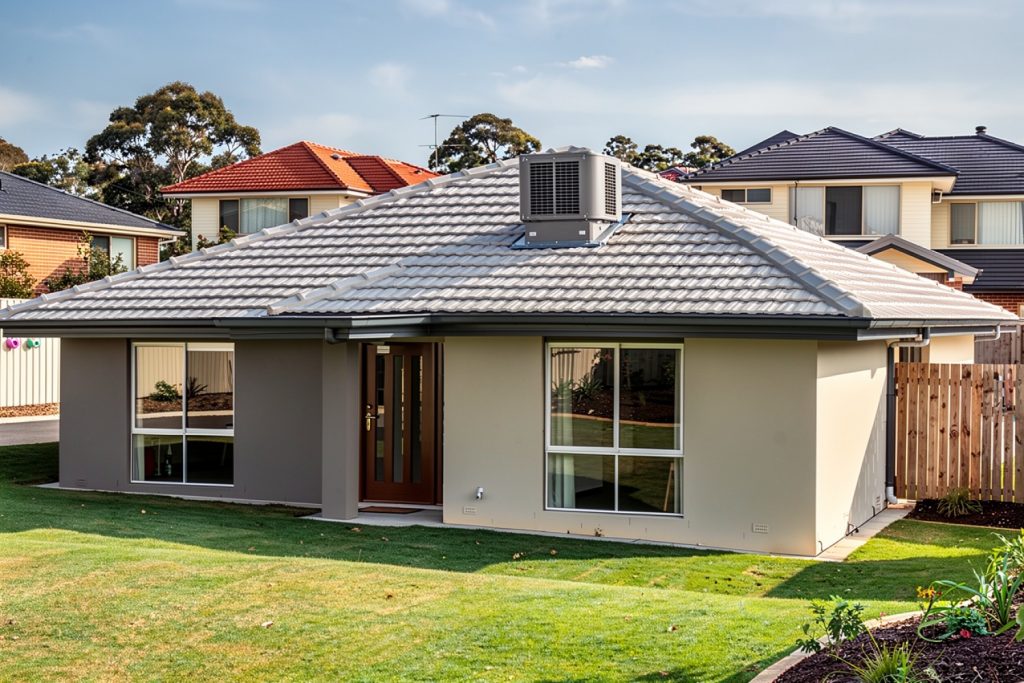
Evaporative cooling systems are fantastic at making you feel cooler, but their effectiveness really hinges on the amount of moisture already in the air. Think of it like a sponge; a dry sponge can soak up a lot of water, but a wet one can’t hold much more. The same principle applies here. Evaporative coolers work best in hot, dry climates. When the outside air is low in humidity, the water evaporating from the cooler’s pads can absorb more heat from the air, leading to a more significant temperature drop. Ideally, you’ll see the best results when the relative humidity is below 40%. As the humidity creeps up, the cooling effect starts to lessen.
The Impact of High Humidity on Comfort
Now, what happens when the air is already quite damp? If you live in an area that’s naturally humid, or if a particularly muggy day rolls in, using an evaporative cooler can actually make things feel worse. Instead of providing cool, dry air, it adds more moisture to your indoor environment. This can lead to that sticky, uncomfortable feeling, sometimes described as ‘muggy’.
Here’s a general guide to how humidity levels can affect performance:
- Below 40% Relative Humidity: This is the sweet spot. Evaporative coolers are highly effective and provide significant cooling.
- 40% – 60% Relative Humidity: The cooler will still work, but its efficiency will be reduced. You’ll notice a less dramatic temperature drop.
- Above 60% Relative Humidity: Performance drops considerably. The air might feel damp and less refreshing, and in very high humidity (over 70%), the cooling effect is minimal.
It’s important to remember that evaporative coolers add moisture to the air. While this can be a benefit in very dry climates, it can be a drawback in already humid conditions, potentially making your home feel clammy and uncomfortable.
So, if you’re considering an evaporative cooler, take a good look at your local climate. For those in arid or semi-arid regions, it’s often an excellent, energy-efficient choice. However, if you’re in a coastal area or a region known for its humidity, you might find that a traditional air conditioner, which removes moisture from the air, is a better fit for your comfort needs.
Evaporative Cooling vs. Air Conditioning
Pros and Cons of Each System
When you’re looking to keep your home comfortable, both evaporative coolers and air conditioners can do the job, but they go about it in quite different ways. Understanding these differences is key to choosing the right system for your needs and your climate.
Evaporative coolers, often called swamp coolers, work by using the natural process of water evaporation. Hot, dry air is drawn through water-soaked pads. As the water evaporates, it absorbs heat from the air, making it cooler. This process also adds a bit of moisture to the air, which is why they work best in drier regions.
Air conditioners, on the other hand, use a refrigerant cycle to remove heat and moisture from the air. They essentially ‘refrigerate’ the air, making them effective in any climate, but they also use more energy and can dry out the air significantly.
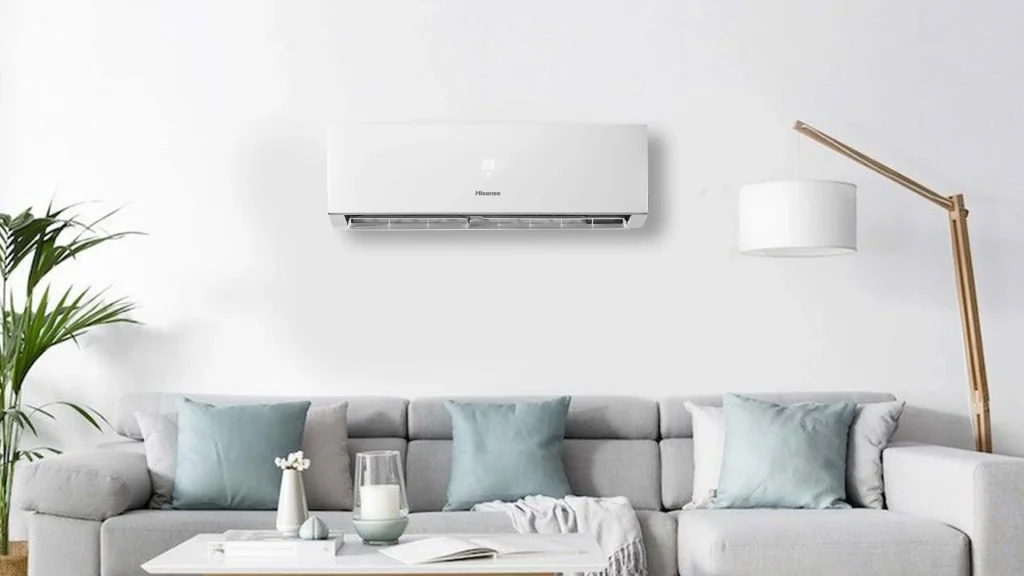
Here’s a quick rundown to help you compare:
- Evaporative Coolers:
- Air Conditioners:
The choice often comes down to your local climate and your budget. If you live in a hot, dry area, an evaporative cooler can be a very cost-effective and comfortable solution. However, if you’re in a region with high humidity, or if you need precise temperature and humidity control, an air conditioner is likely the better option.
It’s worth noting that while evaporative coolers add moisture, this can be a benefit in dry climates but a drawback in humid ones, potentially making the air feel sticky and uncomfortable if the humidity levels are already high.
Maximizing Your Evaporative Cooler’s Performance
To get the most out of your evaporative cooler, a bit of regular attention goes a long way. It’s not just about switching it on and forgetting about it; these units work best when they’re looked after. Think of it like maintaining your car – a little upkeep prevents bigger problems down the track.
First off, let’s talk about choosing the right cooling for your situation. While evaporative coolers are fantastic in dry Australian climates, they do add moisture to the air. If you’re already in a humid area, or if your home tends to feel a bit damp, you might find it becomes uncomfortably muggy. It’s all about matching the technology to your local conditions.
Regular maintenance is key to avoiding common problems. Here’s a quick rundown:
- Cleaning the Water System: Periodically, you’ll want to clean out the water sump and the distribution header. This stops any build-up of debris that can affect how well the water flows over the cooling pads.
- Maintaining the Cooling Media: The pads themselves need attention. Flushing them regularly and giving them a gentle brush can remove mineral deposits, especially if you have hard water. This helps them work efficiently and last longer.
- Water Quality Management: Depending on your local water, you might need to manage water flow and bleed-off rates. In areas with particularly poor water quality or potential for biological growth, consulting a water treatment specialist might be a good idea.
Keeping your evaporative cooler clean and well-maintained isn’t just about performance; it’s also about ensuring the air you’re breathing is fresh and free from mould or unpleasant odours, which can become an issue if the unit isn’t looked after properly, particularly in more humid conditions.
When it comes to the cooling pads, their lifespan can vary quite a bit, from a few months to several years, depending on how often you use the cooler and the quality of your water. Paying attention to these details means your cooler will keep running smoothly and effectively, providing that pleasant, cool air you’re after.
So, When Does Evaporative Cooling Shine?
Ultimately, evaporative cooling is a clever way to beat the heat, especially if you live somewhere dry. Think of it like your body sweating – it works best when there’s room for that moisture to evaporate. If your home already feels a bit damp, or if the outside air is thick with humidity (say, over 50-60%), you might find it doesn’t cool as effectively, and could even make things feel a bit sticky. In those more humid situations, you might want to look at other cooling options. But for those hot, dry days? Evaporative cooling can be a really comfortable and energy-smart choice to keep you feeling refreshed.